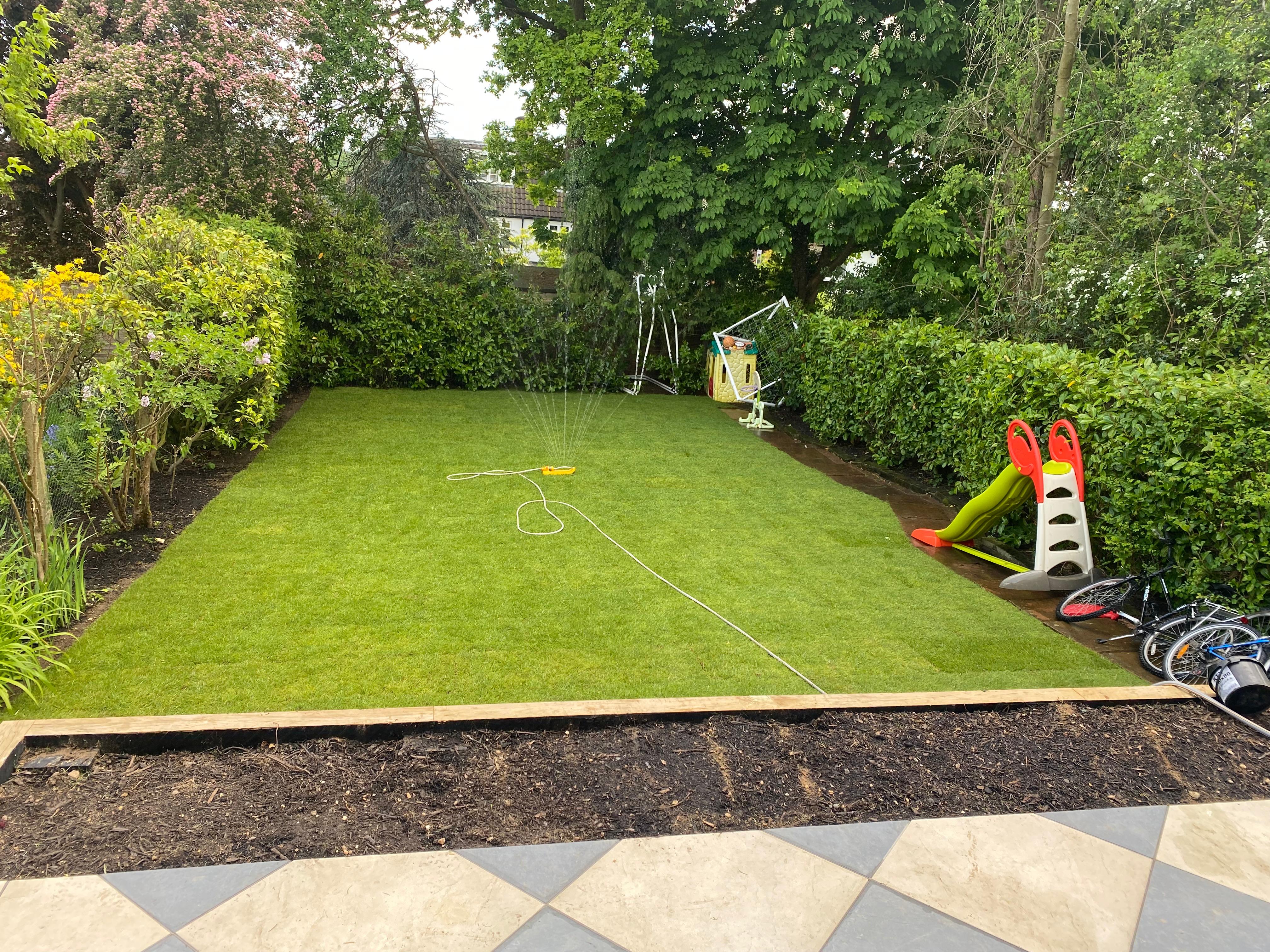
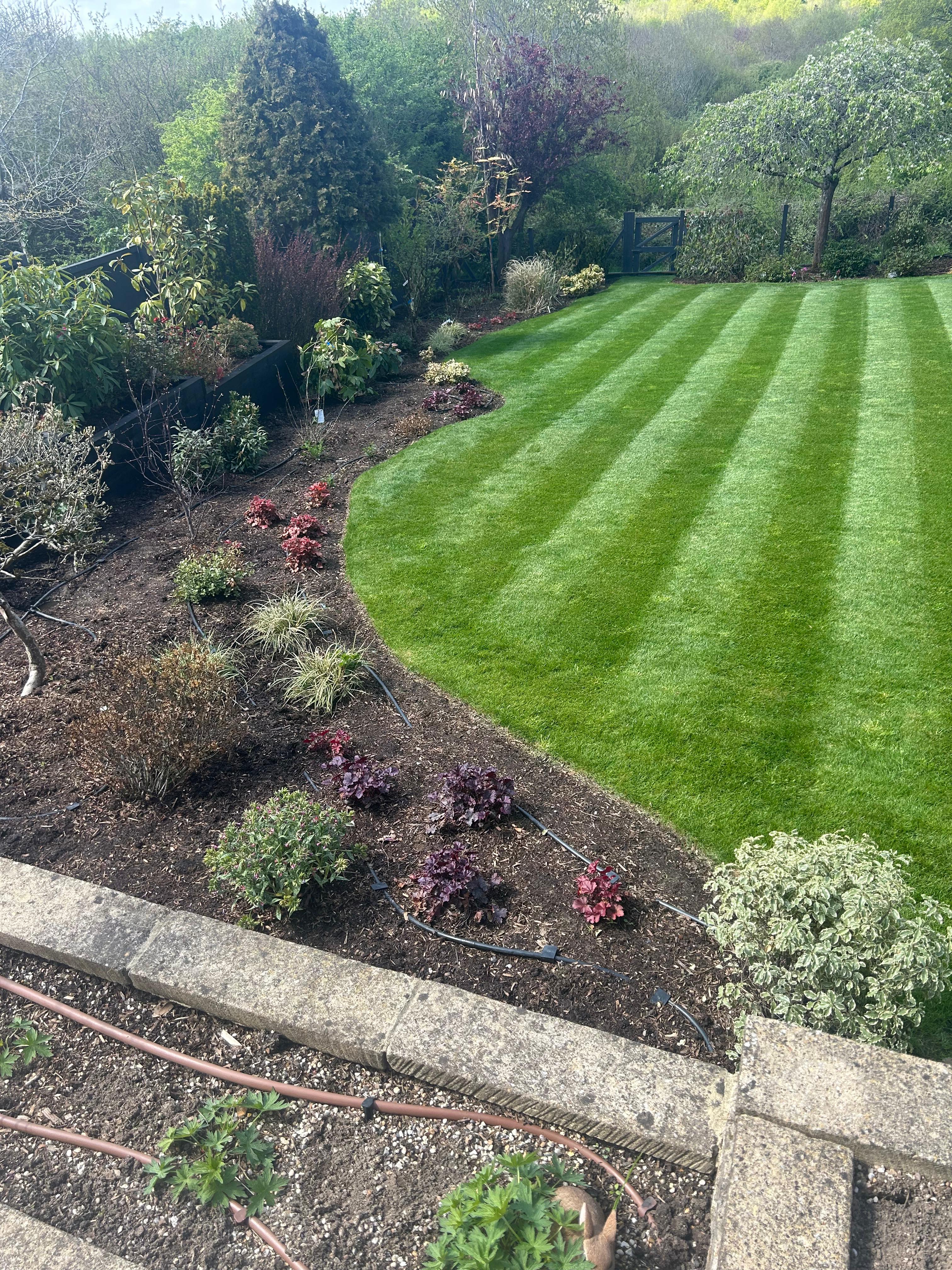
A well-designed garden does two things at once. It looks like a place you would actually want to spend time in, and it works for the way the house and the people in it actually live. Both halves matter. A beautiful garden that nobody uses because the seating is in the wrong corner is a missed opportunity, and a perfectly functional layout with no real planting plan rarely brings anybody much joy.
This guide walks through the way we approach garden design at CLEO M Gardening. The same shape applies whether you are refreshing a single border or planning a full redesign across the back of the house.
Starting Point: What Do You Actually Want?
Before we even talk about plants or paving we like to talk about how the garden gets used. The questions are usually:
- Who uses it? Adults only, kids and pets, occasional grandchildren, a regular gardener or someone who would prefer not to maintain anything.
- How often, and when? Daily summer evenings, weekend lunches with friends, just a view from the kitchen window, a place to dry washing.
- What feels missing right now? Sometimes it is shade, sometimes privacy from a neighbour, sometimes simply somewhere flat and dry to put a chair.
- What works already that you want to keep? A favourite tree, an existing patio that is in good condition, a view towards a particular corner.
The honest answers to those four questions shape almost every later decision.
The Site Survey
We will then visit the garden and measure it properly. The things we look for at this stage are:
- Aspect: Which parts of the garden get sun and at what times of day. This drives the planting plan and where seating works best.
- Soil and drainage: Heavy clay, sandy, or in-between, and where water tends to sit after rain. This drives both the planting and the build-up under any new patio or paving.
- Levels: Sloped gardens are usually opportunities, not problems, but they need to be designed for, not patched.
- Existing structures: Sheds, outhouses, ponds, trees, the run of the existing fence , anything you want to keep, replace or work around.
- Access: How materials and waste can get in and out. A garden that can only be reached through the house affects how aggressively we can phase a build.
Hard Landscaping vs Planting
A finished garden almost always has both a hardscape layer (paving, decking, paths, walls, raised beds, fencing) and a planting layer (lawn, beds, shrubs, trees, climbers). The trick is getting the balance right for your space and how you live.
For most North London town gardens we end up at roughly:
- One main hard surface for the table and seating, generously sized so the chairs are not constantly catching on the edge.
- A clear path or run between the back door and the lawn or seating area.
- Defined planting zones around the perimeter, sized so they have presence rather than feeling like a thin strip of plants.
- A vertical element somewhere , a pergola, a tree, a piece of trellis , to give the garden some height beyond the boundary.
Thinking About Redesigning Your Garden?
Message Clement on WhatsApp or call 07958 330070 for a free, no-obligation site visit across Barnet, Finchley and North London.
Get a Free QuoteChoosing Materials
Material choice is where short-term budget decisions can quietly catch up with you over the next ten years.
- Decking: Composite is more expensive on day one, but it does not need annual oiling, it does not splinter, and it lasts the better part of two decades. Timber is fine if you genuinely enjoy maintaining it.
- Paving: Permeable block paving is excellent for driveways and patios where drainage matters. Indian sandstone, porcelain and concrete slabs all have their place , the differences are mostly about aesthetics, slip resistance and how they age.
- Fencing: Posts set in concrete to the proper depth (2 ft is our standard) are the difference between a fence that lasts and a fence you replace every five years.
- Planting: Quality nursery stock is worth paying for. Cheap supermarket plants tend to fail in their first North London winter or first dry spell.
Timeline and Cost
Realistic ranges for the kind of work we typically do across Barnet and Finchley:
- Single border refresh: One to two days on site once materials arrive, low four-figure budget.
- New patio or deck: Roughly one to two weeks for a typical town-garden footprint, mid four-figure budget.
- Full back garden redesign: Two to four weeks on site, scoped per project. Budget depends on hard landscaping content.
- Complete front and back transformation: Multi-month project. We would scope and quote in detail before any work started.
Every job we quote is fixed, free, and itemised so you can see exactly what you are paying for.
Aftercare
Most clients ask us back for ongoing maintenance once a garden is finished , typically once a fortnight in the growing season and monthly through winter , so the garden actually keeps looking like the day it was handed over. That side is optional and you are not signed up to anything by having us redesign the garden in the first place.
Frequently Asked Questions
From the first site visit to handover, most domestic redesigns sit somewhere between two and six weeks depending on scope. The on-site days within that are usually shorter , most of the wall clock is materials lead time and weather.
Yes. We source plants, shrubs and trees, build the beds, plant out, and explain the aftercare. Clement has been planting in North London soil for over 17 years, so the recommendations are based on what actually thrives here.
All green waste is recycled for compost. Rubble from old patios is taken to a registered waste site and weighed in. We never leave a tip in the front garden.
Yes. We agree access timings up front, secure tools and materials at the end of every day, and let you know which parts of the garden are off-limits at any given time so it is safe to send the dog out the back door.
For most domestic landscaping in Barnet, no. Permission usually only enters the picture for things like outbuildings above certain sizes, listed buildings, conservation areas, or boundary changes. We will tell you straight away if we think your project needs it.
The hard landscaping is built to last and we stand behind our workmanship. Plants come with usual sensible aftercare guidance , if you keep them watered and they fail in the first season, we will replace anything we supplied at no charge.